
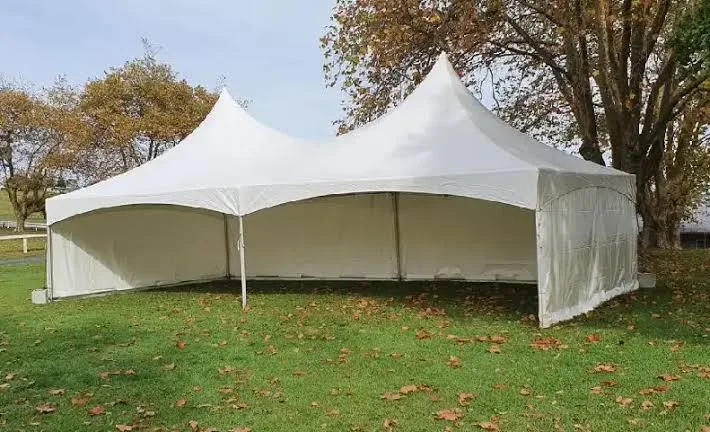
Not every event site sits on perfectly flat ground, and that is where careful planning becomes essential. Marquee setup on sloped ground requires different techniques compared to a standard flat lawn installation, and getting it wrong can compromise the whole event.
As the event progresses, guests, equipment, and the building itself are all safeguarded by doing this correctly. Working with a team experienced in marquee hire in Auckland ensures sloped sites are assessed properly before any equipment arrives on the day of installation.
Site Assessment: Evaluating Incline Angles and Soil Stability
Before any structure goes up, technicians assess the ground itself carefully. This step determines which engineering solutions will actually work for the specific site conditions present on the day.
Measuring Slope Gradients and Identifying Sub-Surface Obstacles
Technicians measure the incline using specialised tools, checking for buried obstacles like tree roots, drainage pipes, or uneven compacted soil beneath the surface that could affect stability.
Drainage Analysis: Preventing Water Runoff Accumulation Under the Canvas
Pooling beneath the canvas during rainfall could pose a serious threat to flooring and guests’ safety, so drainage patterns are meticulously mapped out to ensure water flows downhill.
Engineering Solutions for Uneven Terrain Erections
Once site conditions are understood, the right combination of equipment is selected for the job. This is where uneven terrain event tent hire becomes noticeably more technical than a standard flat-ground booking.
Adjustable Steel Leg Extensions and Telescopic Frame Extensions
Telescopic leg extensions allow individual support points to adjust independently, compensating for varying ground height across the marquee’s footprint without compromising overall structural integrity or stability.
Integrated Layher Scaffolding and Suspended Cassette Flooring
For steeper sites, scaffolding systems support a suspended cassette flooring platform, effectively creating a level surface above the natural slope of the ground itself below.
Anchoring Safety Standards, Weight Distribution, and Wind Loads
A marquee floor levelling system solves half the challenge, but proper anchoring is equally important for structural safety throughout the entire duration of the event.
Ground Stakes vs Concrete Ballast Blocks on Sloped Hardstand
Traditional stakes work well on soil, but hardstand surfaces like concrete or pavement require ballast blocks instead, since stakes cannot be driven into hard surfaces safely at all.
Structural Load Calculations to Withstand Coastal NZ Wind Gusts
Sloped site marquee anchoring must account for wind loading calculations too, particularly for coastal venues where gusts can place additional strain on an elevated structure over time.
Equipment Checklist for Sloped Site Marquee Installations
A thorough sloped site installation typically includes leg extensions, cassette flooring or scaffolding, appropriate anchoring hardware, and drainage matting suited to the specific terrain being worked with on site.
Confirming outdoor event tent stability standards in NZ before booking gives event organisers confidence that their chosen site, however uneven, can still safely support a professional marquee installation for their event.
Preparing Your Sloped Site for a Successful Event
A sloped or uneven site does not need to rule out marquee hire altogether. With proper assessment and the right equipment, you can safely and effectively resolve most terrain challenges before the event date arrives.
Frequently Asked Questions
What is the maximum ground slope angle suitable for erecting a standard marquee?
Most standard marquees can accommodate mild slopes without special equipment, though steeper inclines typically require leg extensions or cassette flooring systems to compensate for the grade. A site visit helps determine exactly what your specific slope and ground conditions actually require before booking.
How do cassette subflooring systems create a level interior floor on uneven ground?
Cassette panels connect across scaffolding supports, forming a rigid, level platform above the sloped ground beneath the structure itself and its foundations. This creates a flat, stable interior floor regardless of how uneven the natural terrain underneath the marquee actually is.
What anchoring techniques are used when a sloped site consists of hard concrete?
Concrete ballast blocks replace traditional ground stakes on hardstand surfaces, providing sufficient weight to secure the structure safely in place at all times. These blocks are positioned strategically based on calculated wind load and overall structural requirements for the specific site.
How do technicians stop rainwater runoff from flowing inside a sloped marquee?
Drainage channels and elevated flooring systems redirect water away from the structure's interior during heavy rainfall events at the venue site. Site grading assessments beforehand help identify where runoff naturally collects on sloped ground before installation begins on the day.
Is an on-site technical inspection required before booking a marquee for a sloped yard?
Yes, an inspection is strongly recommended for any sloped or uneven site before confirming a booking with the team ahead of time. This allows technicians to plan appropriate equipment in advance and confirm the installation can proceed safely on the day.

