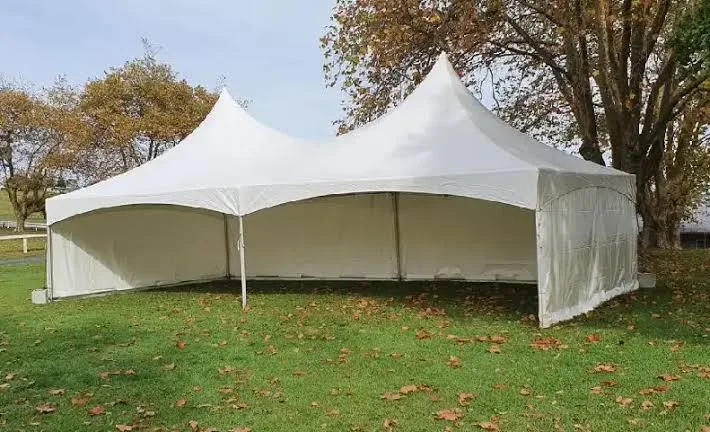
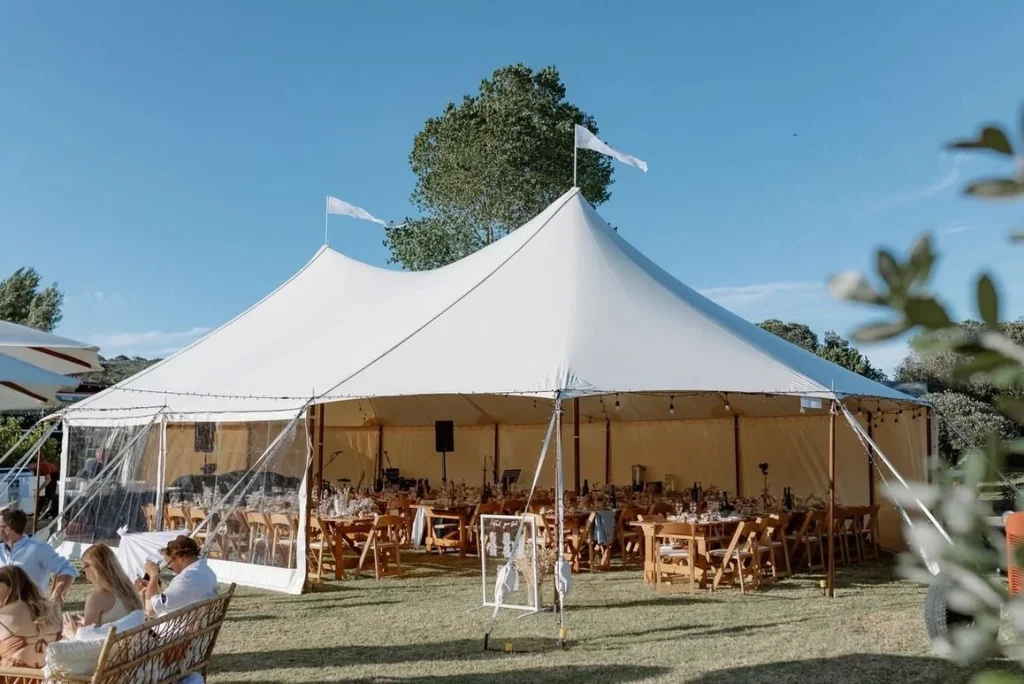
Marquee Hire works with many couples who turn a family backyard into a wedding venue, and a few key details can have a big impact on the day.
A backyard wedding checklist in Auckland that couples can actually rely on covers more than just booking a marquee. Ground conditions, power, and weather all require a plan well in advance of the date.
Getting these basics sorted early avoids last-minute surprises once suppliers, caterers, and guests are all locked in.
Transforming Residential Lawns into Premium Event Venues
A backyard can absolutely host a polished wedding, but the lawn itself needs an honest assessment first.
Slope, drainage, tree roots, and access all affect what’s realistically possible before any structure goes up.
A lawn that looks flat from the back door can still have enough slope to affect flooring, furniture placement, and drainage once the marquee is fully in place for the event.
Step 1: Core Structure Evaluation and Site Survey
A site survey confirms the lawn can actually support the marquee style you want, rather than assuming any flat-looking space will work.
Outdoor clear-span marquee rental needs level ground and enough clearance around the perimeter for guy ropes or frame legs, depending on the structure type chosen.
Overhead clearance matters too, since low branches or power lines can rule out certain positions on an otherwise suitable lawn.
Access for delivery vehicles is also worth checking, especially for properties with narrow driveways or gated side access, as larger trucks need enough room to manoeuvre and unload safely.
Step 2: Interior Infrastructure Flooring and Microclimate Control
Flooring protects both guests and the lawn below, particularly if rain falls in the days leading up to the event.
A wedding pavilion configuration with raised flooring also helps manage temperature and airflow inside, since a sealed marquee can get warm quickly on a still day.
Subfloor ventilation and side wall panels that can be opened partway both make a noticeable difference on warmer afternoons, especially for events running through the middle of the day.
Step 3: Power Distribution and Event Lighting
Catering equipment, lighting, and music all draw power, and backyard circuits aren’t always built for that combined load.
Event catering power grids need to be planned separately from general lighting circuits, as caterers often run several appliances simultaneously during service.
A dedicated generator is often simpler than trying to draw everything from the house, particularly for larger events with a full catering setup running multiple appliances at once.
Step 4: Luxury Site Comfort and Sanitary Infrastructure
Guest comfort extends beyond the marquee itself, especially for events that run into the evening or host a larger guest list.
Luxury temporary styling covers furniture, drapery, and finishing touches, while separate provisions for toilets and washing facilities matter just as much for a smooth event.
Hired restroom units or trailers are common for larger backyard weddings, since a home’s existing bathrooms rarely handle guest numbers beyond a small, intimate gathering.
For couples planning their day, marquee hire for a wedding in Auckland covers structure, flooring, and styling as part of one coordinated setup.
Frequently Asked Questions
A few questions couples often ask before booking a backyard marquee.
How much flat lawn clear space is required to erect a 100-guest clear-span marquee?
A 100-guest clear-span marquee typically requires a level area well beyond its footprint, since guy ropes, walkways, and service access all need extra clearance around the entire structure.
As a general guide, allowing several extra metres on each side of the marquee footprint gives enough room for anchoring and safe pedestrian flow.
Can a wedding marquee be erected safely over an expensive paved concrete pool patio?
Yes, provided the structure's anchoring method is suitable for a hard surface. Ballast weights or specialist fixings are used instead of ground stakes, thereby avoiding damage to pavers or concrete beneath.
Drainage around a pool patio also needs checking, since water can pool differently on a hard surface than it would across an open lawn area.
What steps ensure catering teams don't trip residential safety switches on the wedding day?
Load calculations before the event, plus separate circuits or a dedicated generator for catering equipment, prevent overloading the home's existing residual-current devices during service.
This is worth discussing with your caterer directly, since their specific equipment list determines how much power the day actually needs from start to finish.
Do I require a temporary building permit from local council offices for backyard structures?
Generally, no, provided the marquee is under 100 square metres and in place for less than a month, which covers most backyard wedding setups under the current Building Act exemptions.
Larger marquees or longer installation periods can fall outside this exemption, so it's worth checking size and timing against the specific threshold well before booking.
How many days before the main ceremony should the layout framing structure be fully built?
Marquee Hire typically installs the day before or, for larger setups, two days prior, allowing time for flooring, styling, and a final walkthrough before guests arrive.
Weather forecasts closer to the date sometimes shift this timing slightly, so a small buffer in the schedule helps avoid last-minute pressure.